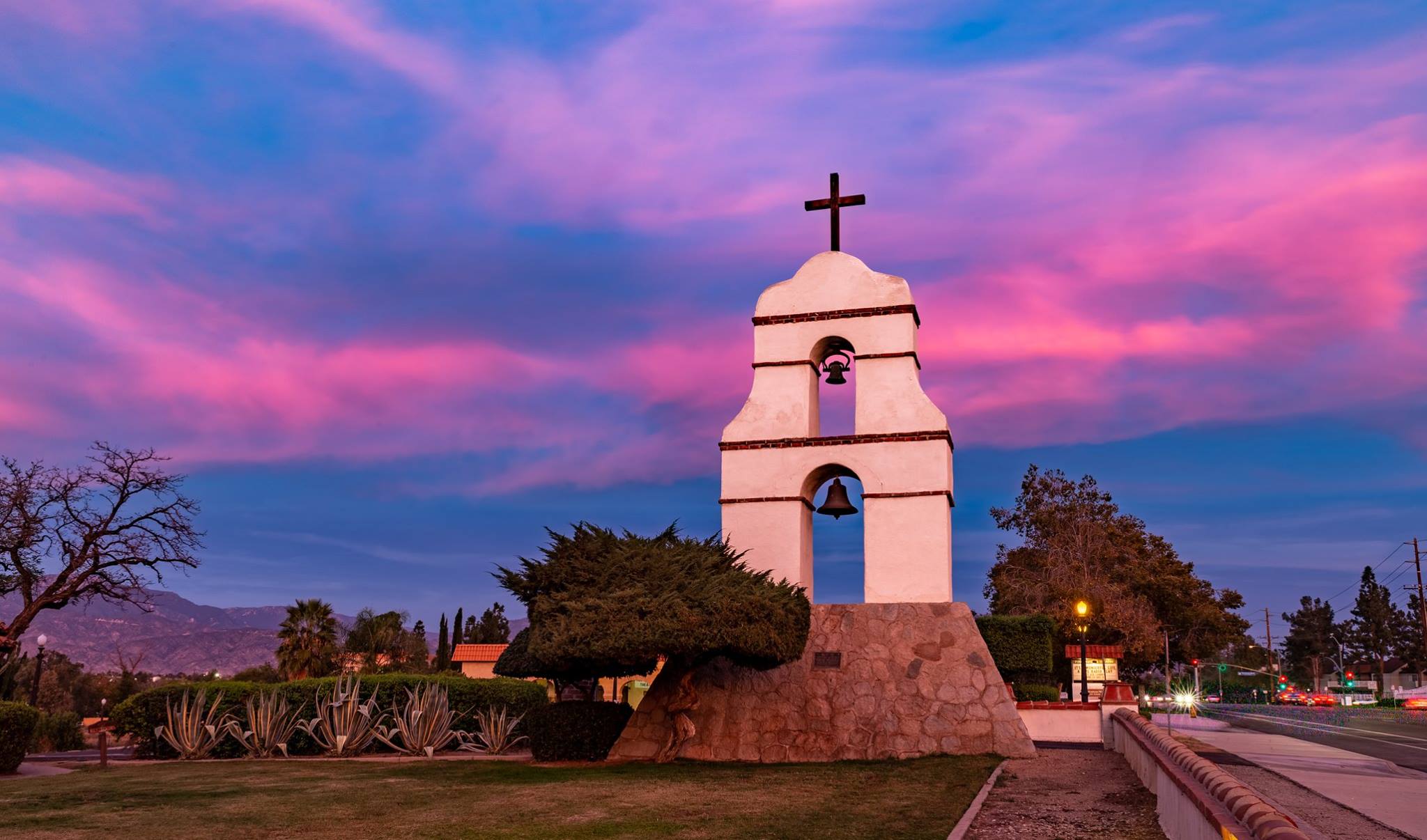

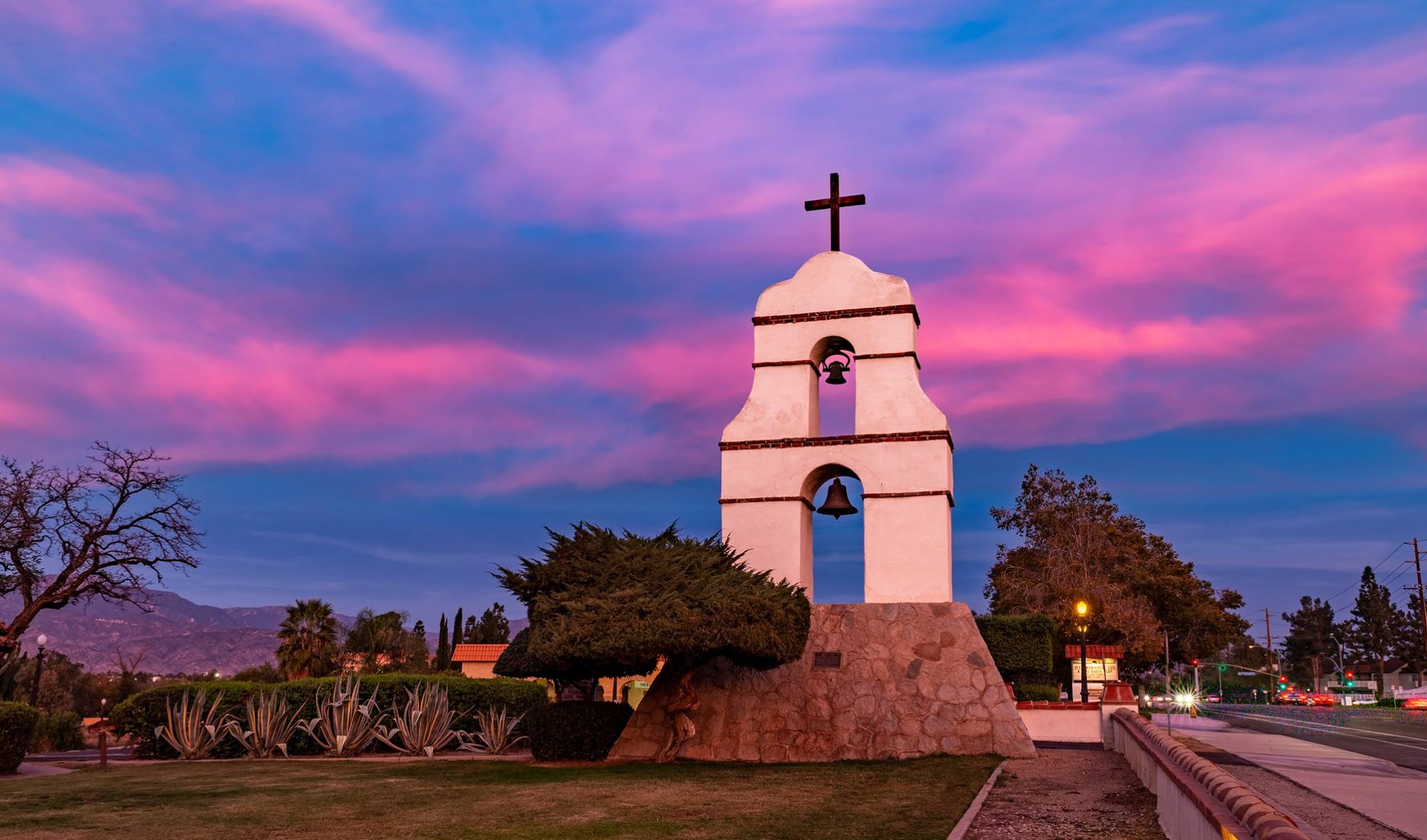
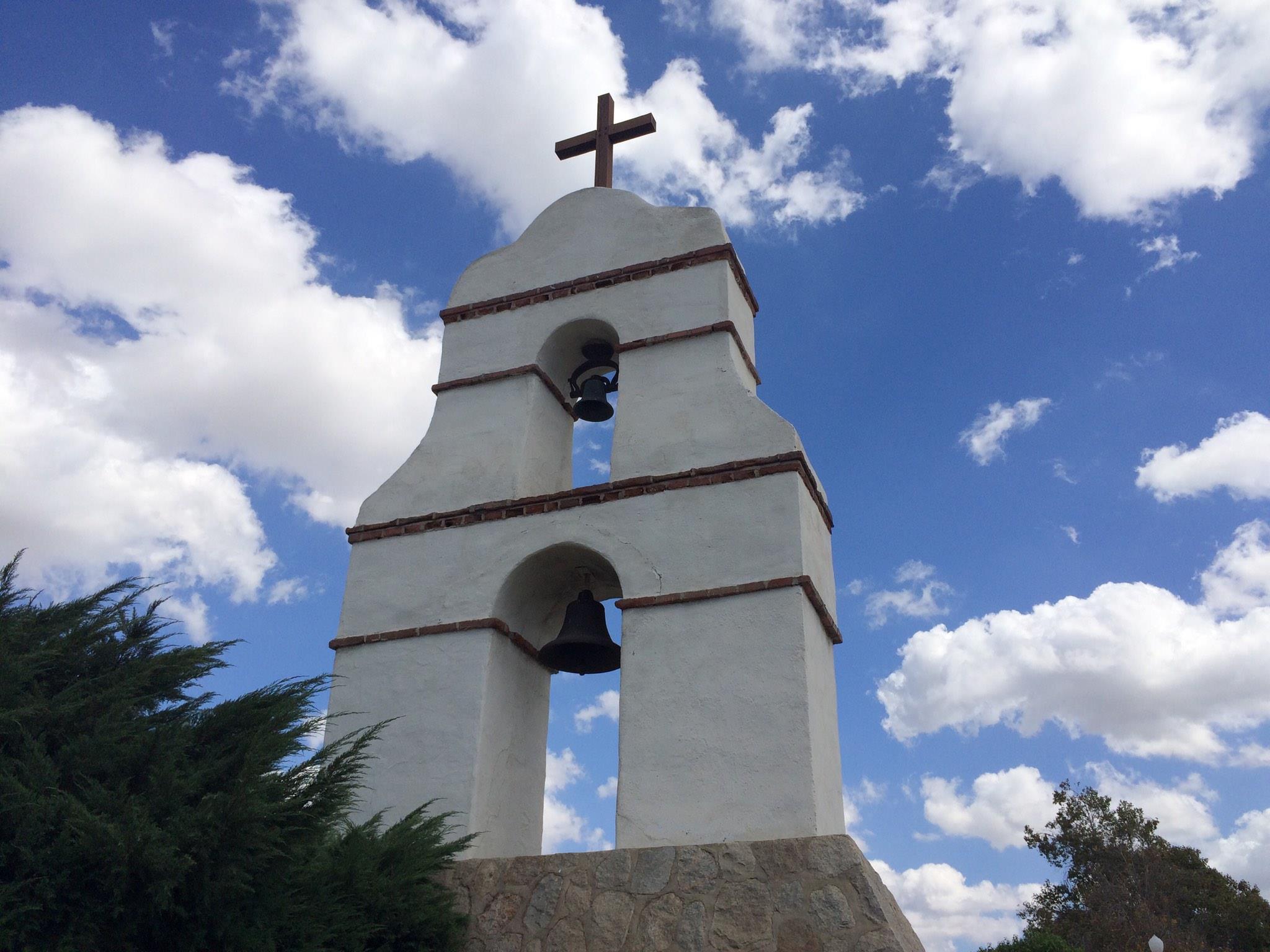
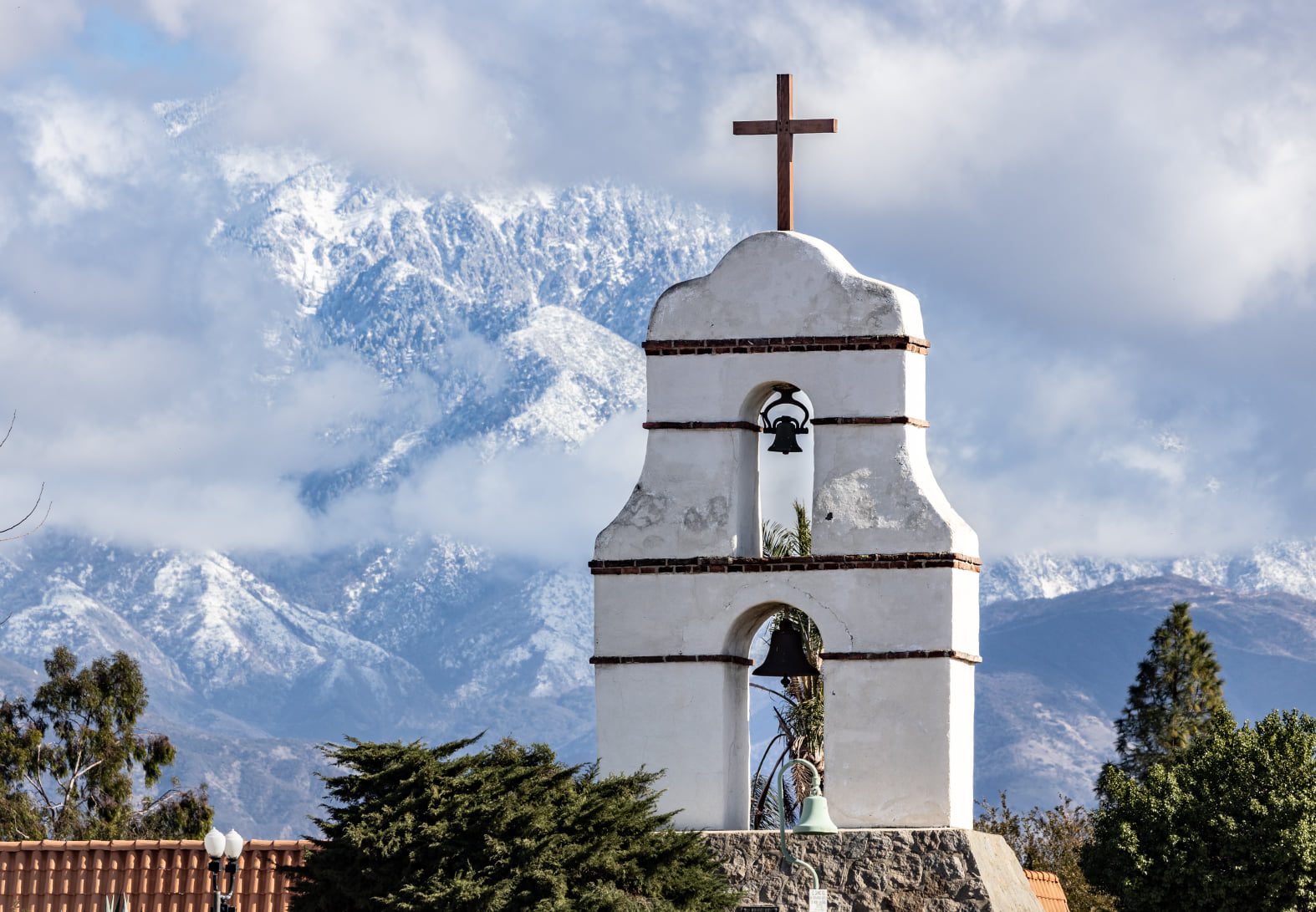
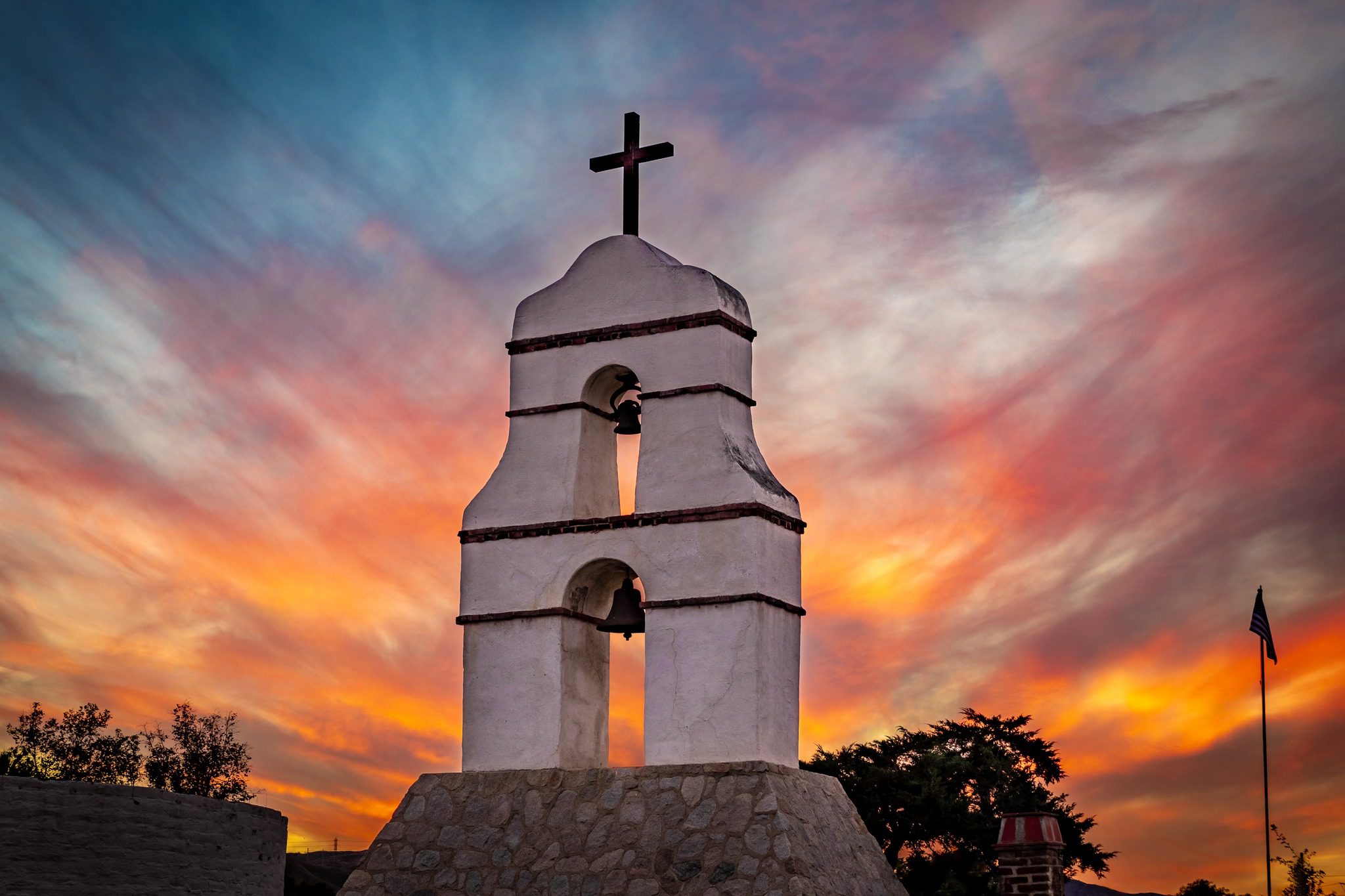
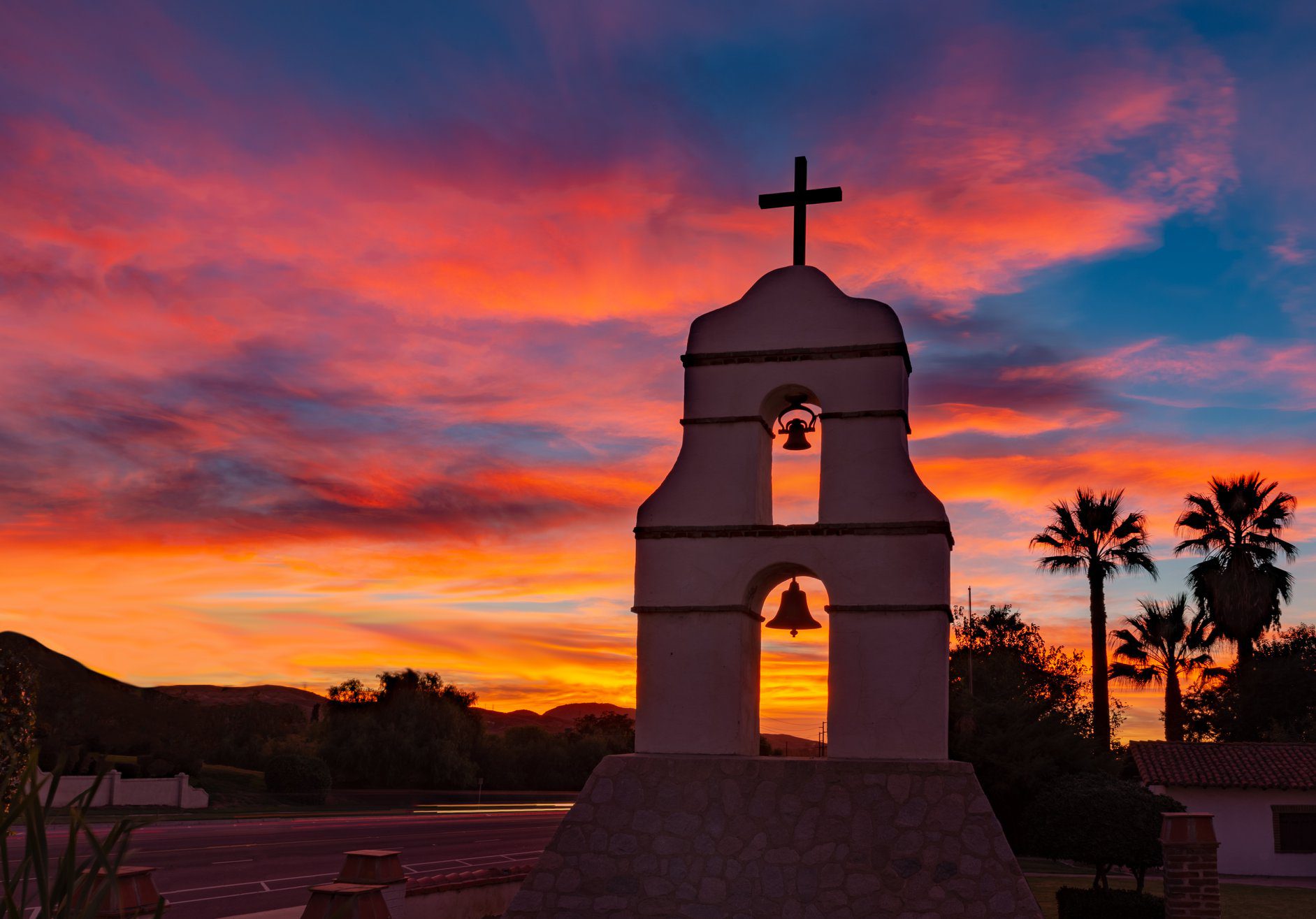
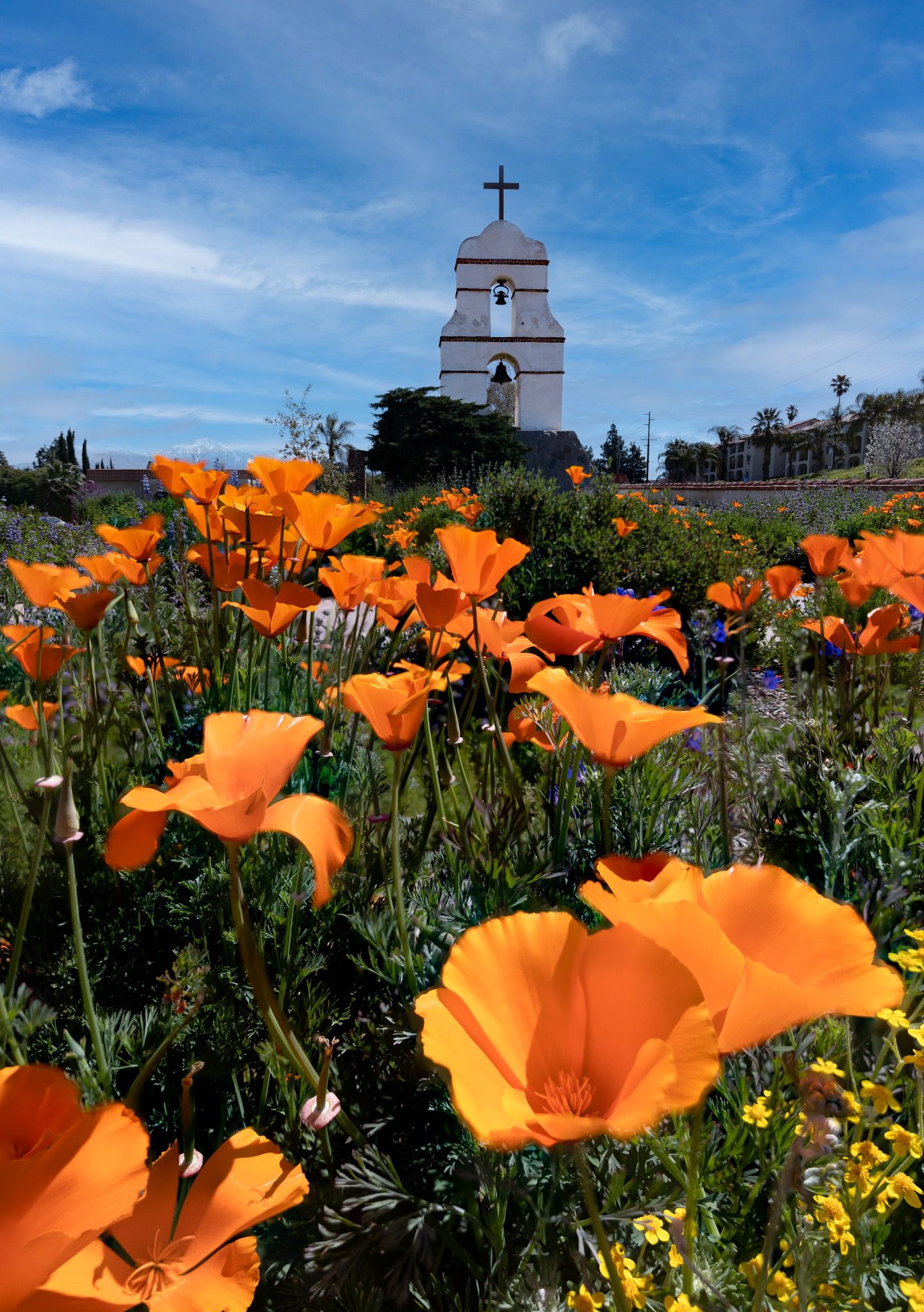
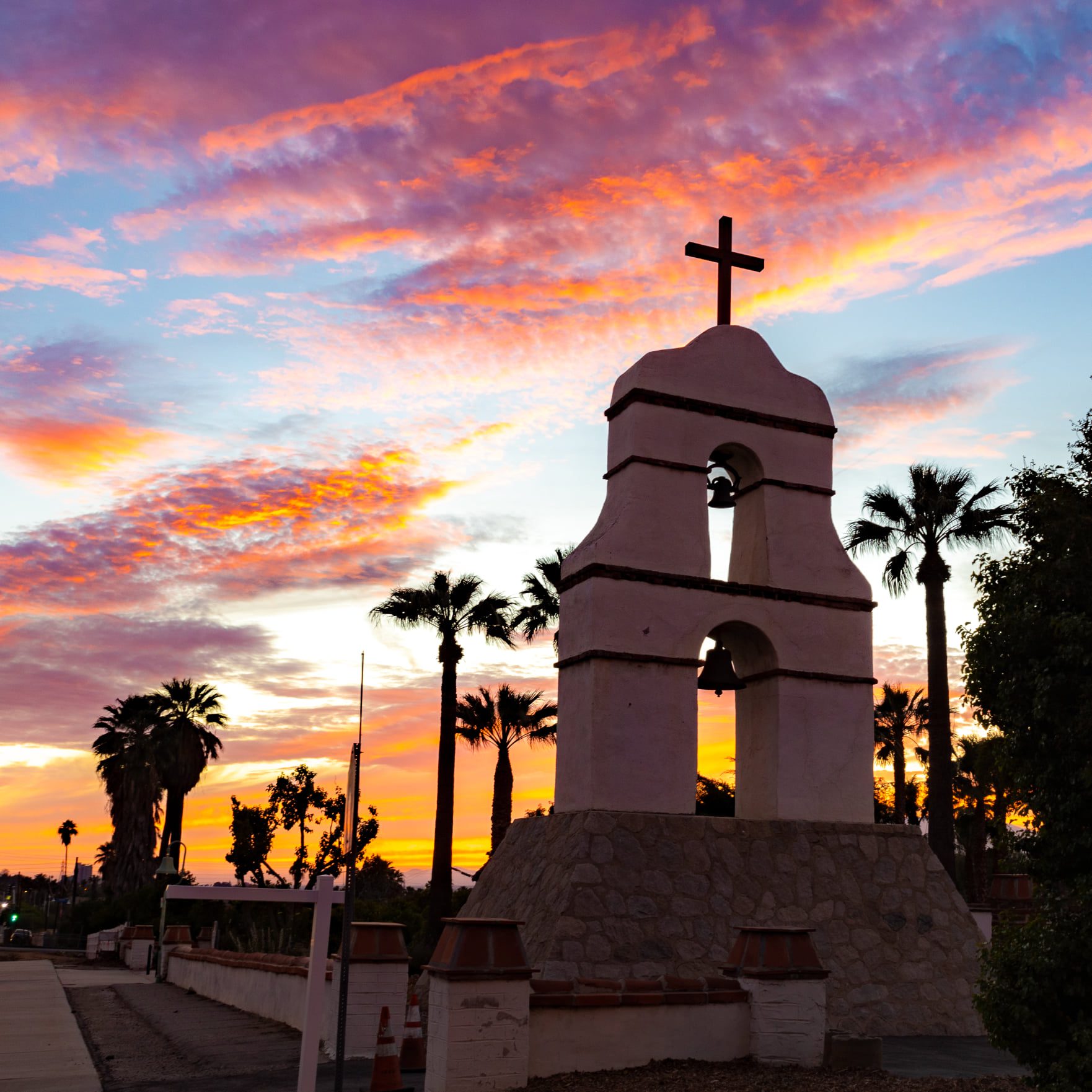
We would like to thank Bruce Herwig of Yucaipa for submitting stunning photos that capture an important piece of the county’s history.
The Asistencia traces its origins to the early 1800s as part of the California mission system. Around 1819, Mission San Gabriel Arcángel established a rancho outpost near present-day Loma Linda to serve the nearby Native American village of Guachama and to monitor cattle grazing in the area. The original structure was simple and included a small residence for the mayordomo who managed the land.
By about 1826, the original outpost was considered inadequate and was relocated approximately one mile east to the current site of Asistencia. A larger adobe complex was constructed using bricks made on site. By the early 1830s, the structure was nearly complete. The buildings were arranged around a courtyard and included a small chapel and multiple rooms. The site provided shelter for travelers and helped manage livestock, although it did not have a resident priest.
In 1834, the Mexican government secularized the missions and the site was abandoned. Ownership later passed to the Lugo and Sepulveda families and then to Mormon settlers in 1851, who used the property for religious and civic purposes. In 1857, the site was sold to Dr. Ben Barton, who used the buildings for housing, schooling and agricultural storage. Over time, the structures fell into disrepair and eventually deteriorated into ruins.
Restoration efforts began in the early 20th century after San Bernardino County acquired the remaining property. During the 1930s, the federal Works Progress Administration supported reconstruction of the adobe buildings. The site reopened to the public in 1937 under the name Asistencia, although no official records confirm that it was ever formally designated as such. In 2018, San Bernardino County transferred ownership of the property to the Redlands Conservancy to preserve its heritage for the benefit of county residents.
Additional County Update News – April 2, 2026
- County supports affordable housing for veterans
- Baker’s “lonely fire station” serves a critical lifeline along the I-15
- What to know about CalFresh and Medi-Cal eligibility updates
- In-Home Supportive Services-Public Authority is recruiting and training older adult caregivers
- Perinatal Equity Initiative launches public awareness campaign
- Friday Night Live hosts student field trip to County Public Health
- Animal Care hosts Paws and Partners Collaboration Summit
- San Bernardino County Assessor‑Recorder‑County Clerk warns public of unauthorized impersonation of website
- County communications team earns top honors at regional advertising awards
- Women’s History Month staff spotlight: Wendy Rosales
- Submit your photos and videos of the county’s destinations, nature and cityscapes
- San Bernardino County history: The Kite-Shaped Track
- Things to do in San Bernardino County
- Pet of the Week: Katrina