
The Mojave National Preserve is located between Interstate 15 and Interstate 40 in San Bernardino County. Covering 1.6 million acres, it is the third largest park of the National Park System in the contiguous United States. The preserve contains many natural features, including the Kelso Dunes, the Marl Mountains, Cima Dome and Cinder Cone Lava Beds.
The land within the preserve holds a long and layered history. Human activity in the region dates back thousands of years. The Chemehuevi people lived in the mountains, canyons and along the Colorado River shoreline. In the late 1800s, miners began to explore the desert for gold, copper, silver and iron.
One of the most significant mining operations was run by Kaiser Steel at the Vulcan Mine. The mine is located in the eastern Mojave Desert near Kelso, within what is now the Mojave National Preserve. During the 1940s, Kaiser Steel extracted more than two million tons of iron ore from the Vulcan Mine, which was used to help build Liberty ships during World War II.
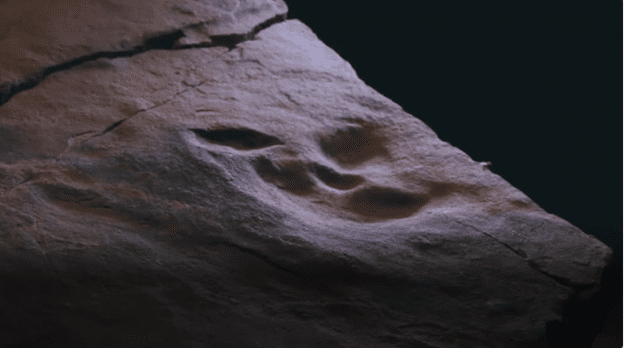
The preserve is also known for its ancient natural history. In 1950, scientists discovered fossilized dinosaur footprints in the Mescal Range near Mountain Pass in eastern San Bernardino County. This area is part of the Mojave region and lies within what is now protected land. The tracks were identified as the footprints of small bipedal dinosaurs called coelurosaurs. Each footprint is about the size of a human hand. They were preserved in Aztec Sandstone, which dates back to the Early and Middle Jurassic periods about 173 to 170 million years old.
According to the San Bernardino County Museum, they are the only dinosaur footprint fossils ever discovered in Southern California and the oldest in the entire state. Their discovery shows that the eastern Mojave region once had an environment of coastal sand dunes with fog and mist, much like today’s Atacama Desert in South America.
On Oct. 31, 1994, Congress passed the California Desert Protection Act, which officially established the Mojave National Preserve. Today, the Kelso Depot, which once provided food, recreation and lodging for Union Pacific Railroad employees, now serves as the visitor center for the Mojave National Preserve.
The information in this historical feature was originally part of a video series produced by the Assessor-Recorder-County Clerk’s office.
Additional County Update News – March 5, 2026
- County secures nearly $7 million for infrastructure, public safety and community facilities
- Public safety update on the Iran conflict
- Arrowhead Regional Medical Center announces the appointment of Carlos Prieto as chief operating and strategy officer
- Spring ahead. Stay prepared.
- Agriculture/Weights & Measures sets the standard for ‘We Measure What Matters’ theme during National Weights and Measures Week
- SPARK Youth Employment Program applications open March 16
- San Bernardino County invites community to celebrate champions of child abuse prevention
- San Bernardino County holds after-action review to strengthen future emergency response
- San Bernardino County invites community input on new behavioral health plan
- Women’s History Month staff spotlight: Fleet Management
- Classic Characters come to life during March at County Library branches
- SBC Through Your Eyes: National Trails Highway
- Submit your photos and videos of the county’s destinations, nature and cityscapes
- San Bernardino County history: Mojave National Preserve
- Things to do in San Bernardino County
- Pet of the Week: Mack