
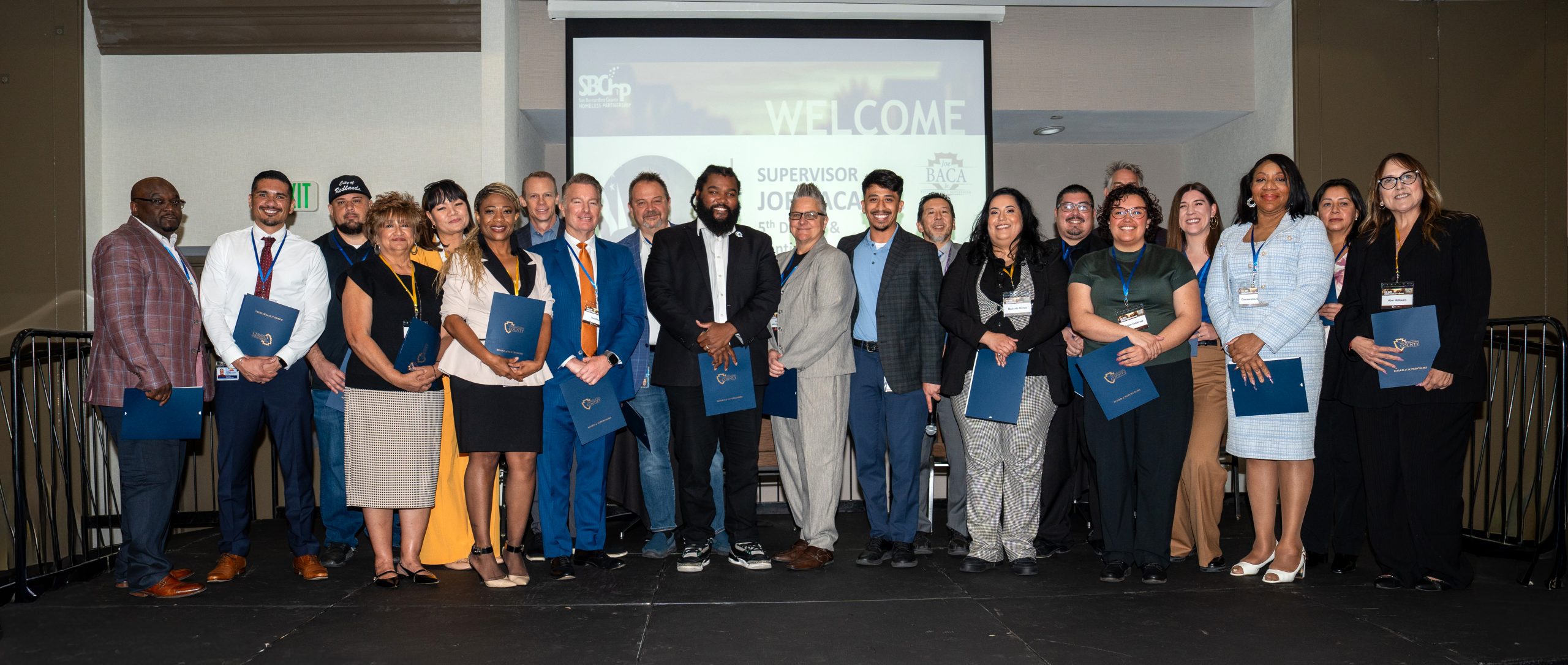
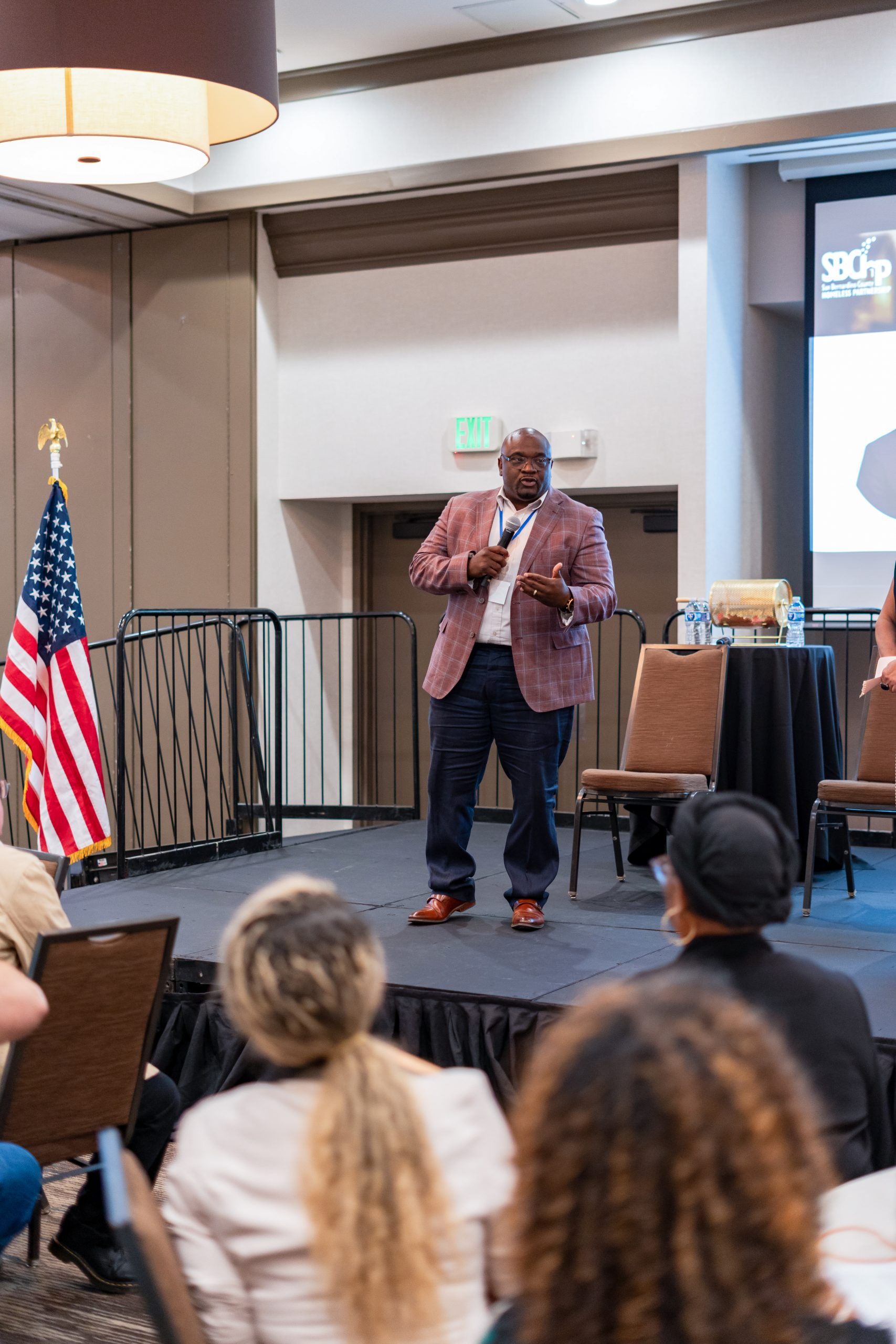
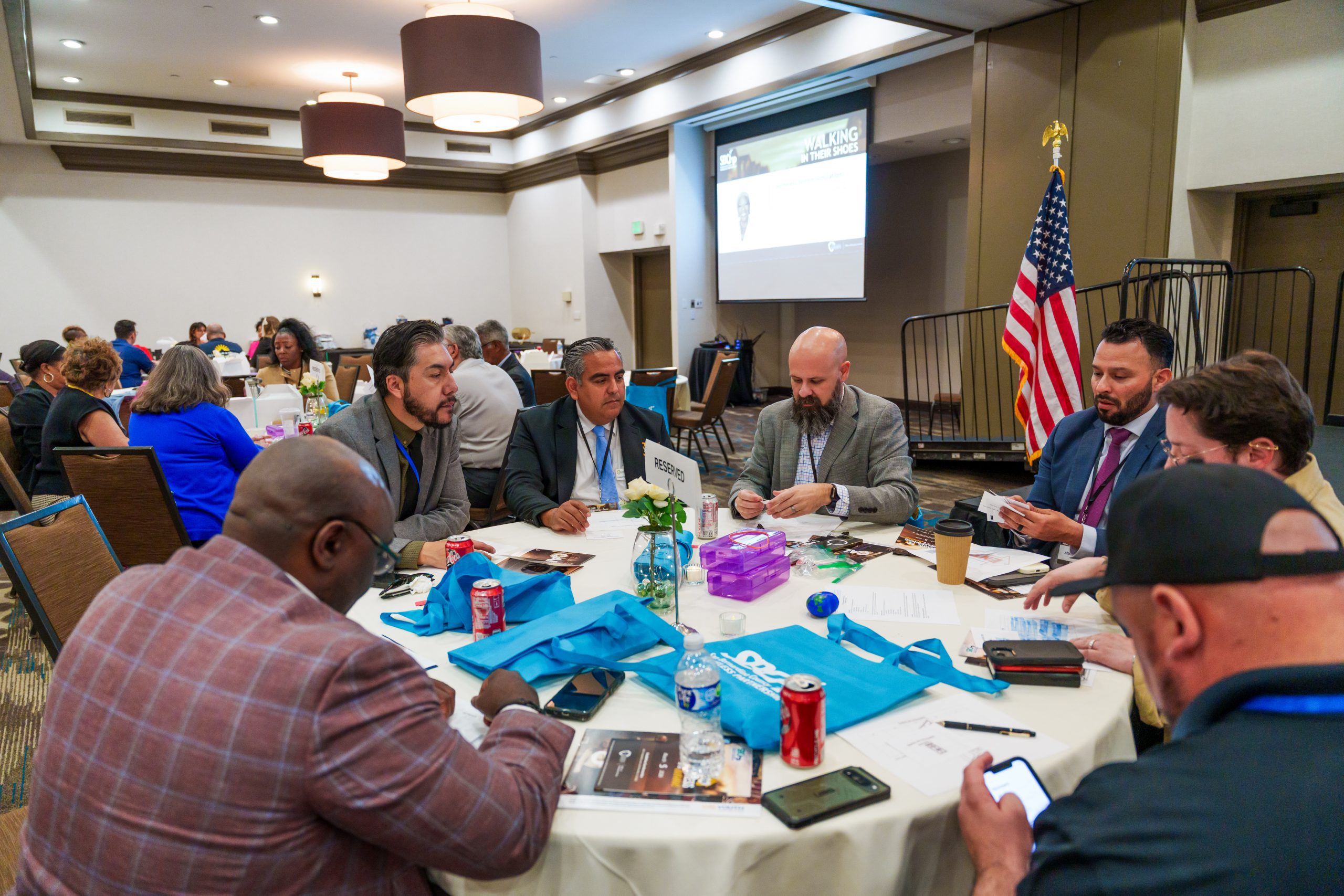
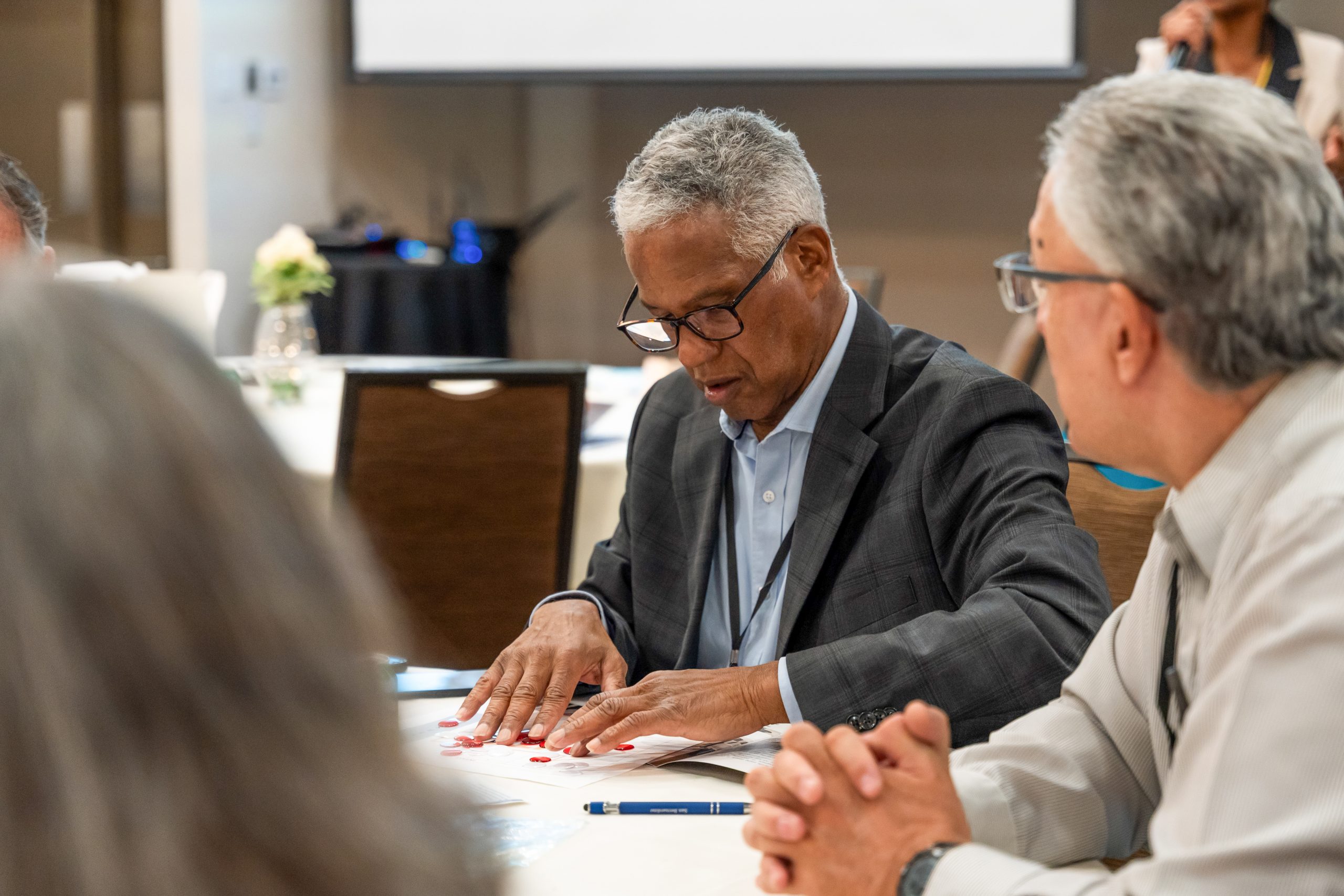
City, county and nonprofit leaders from across San Bernardino County gathered earlier this month for the annual Homeless Summit themed “The Cure for Homelessness is a Home.” The summit, hosted by the county’s Office of Homeless Service and the San Bernardino County Homeless Partnership, focused on collaboration, innovation and long-term strategies to support youth and adults experiencing homelessness.
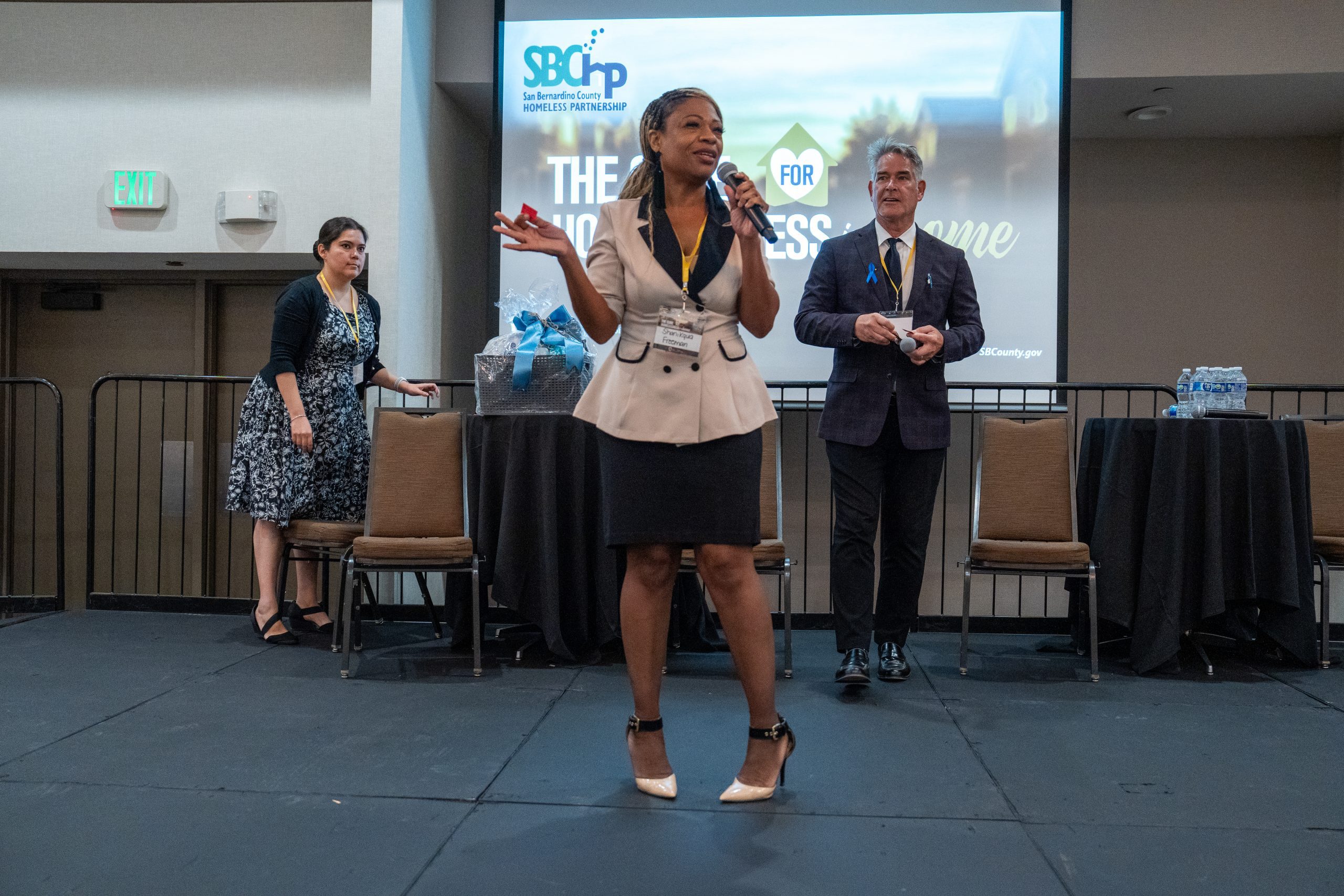
The annual Homeless Summit brings together service providers and community partners for networking, education and discussions on homelessness. Participants share strategies, best practices and explore new initiatives to address the needs of those experiencing homelessness. This year’s event was emceed by the San Bernardino County Continuum of Care (CoC) Vice Chair Shanikqua “Shaq” Freeman, executive director of Knowledge and Education for Your Success and Kevin Mahany, community development director of Symba Center.
“The Homeless Summit reflects our shared commitment to improving outcomes for people experiencing homelessness,” said Board of Supervisors Vice Chair and Fifth District Supervisor Joe Baca, Jr., chair of the CoC Board. “By bringing our partners together, we strengthen our ability to support people experiencing homelessness and move closer to a community where everyone has a safe and stable place to call home.”
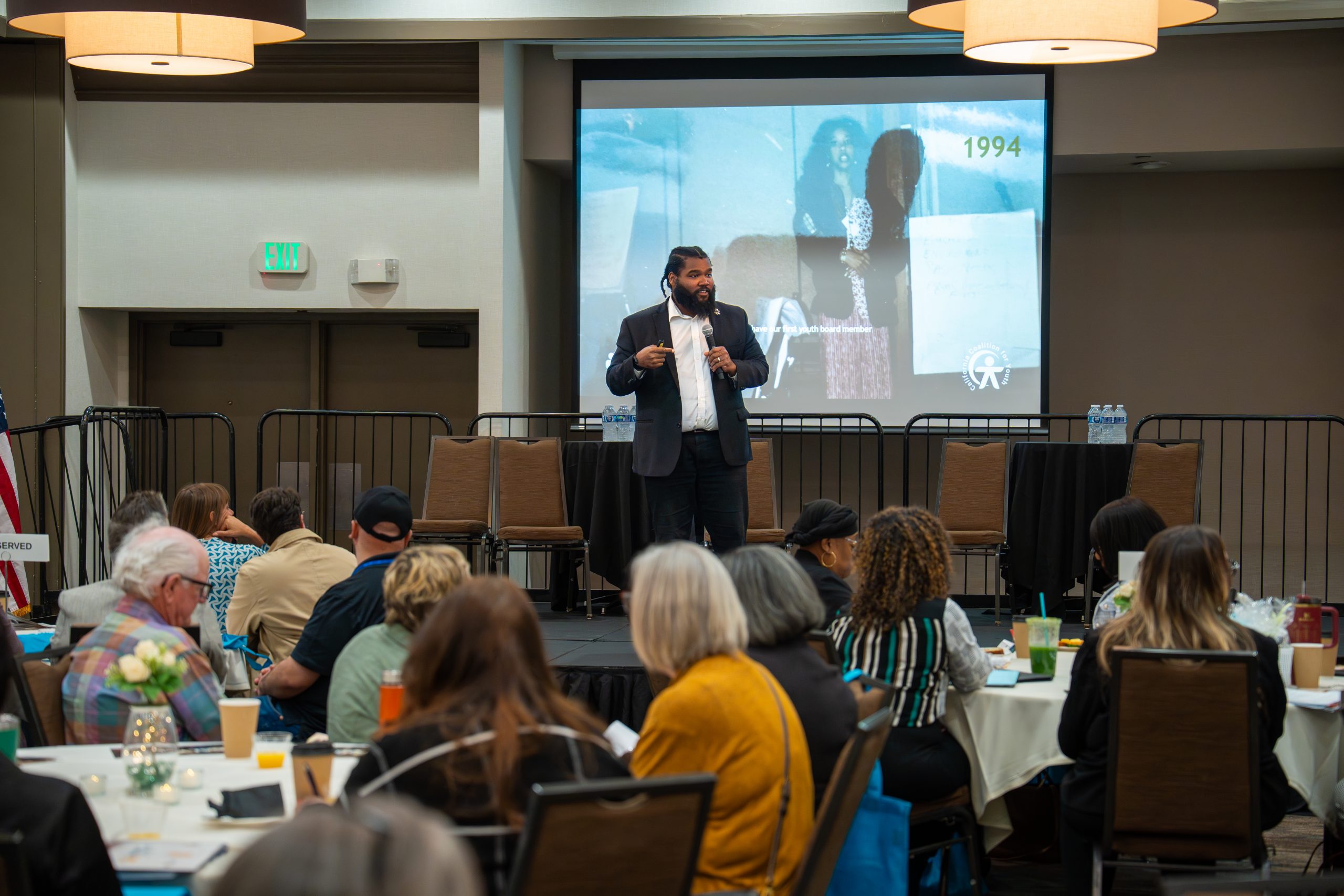
The summit opened with a keynote address by Jevon Wilkes, executive director of the California Coalition for Youth (CCY), who shared lessons from his advocacy work and personal experience with homelessness and the foster care system. He highlighted the power of hope, mentorship and community support.
“A psychiatrist believed in me and saw me beyond my circumstances of homelessness,” said Wilkes. “A light was in me that she saw and decided to flame it so that I could get support.”
He spoke about the evolution of CCY, from crisis hotlines and advisory boards to statewide organizing efforts that have helped secure billions in funding. He also emphasized that young people have long been central to driving systemic change.
“In 1990, a year after I was born, young people were marching through the Capitol of California to elevate a comprehensive policy report so that the state could understand the severity of serving and reaching our young people experiencing homelessness,” he said.
In his closing remarks, Wilkes emphasized the need for long-term structural solutions such as state-supported financial assistance for current and former foster youth. He added that breaking generational cycles within the system is essential to addressing youth homelessness.
“This is the work that we do,” he said. “My life started from darkness, but the Lord blessed me with a light and a calling to move this work forward.”
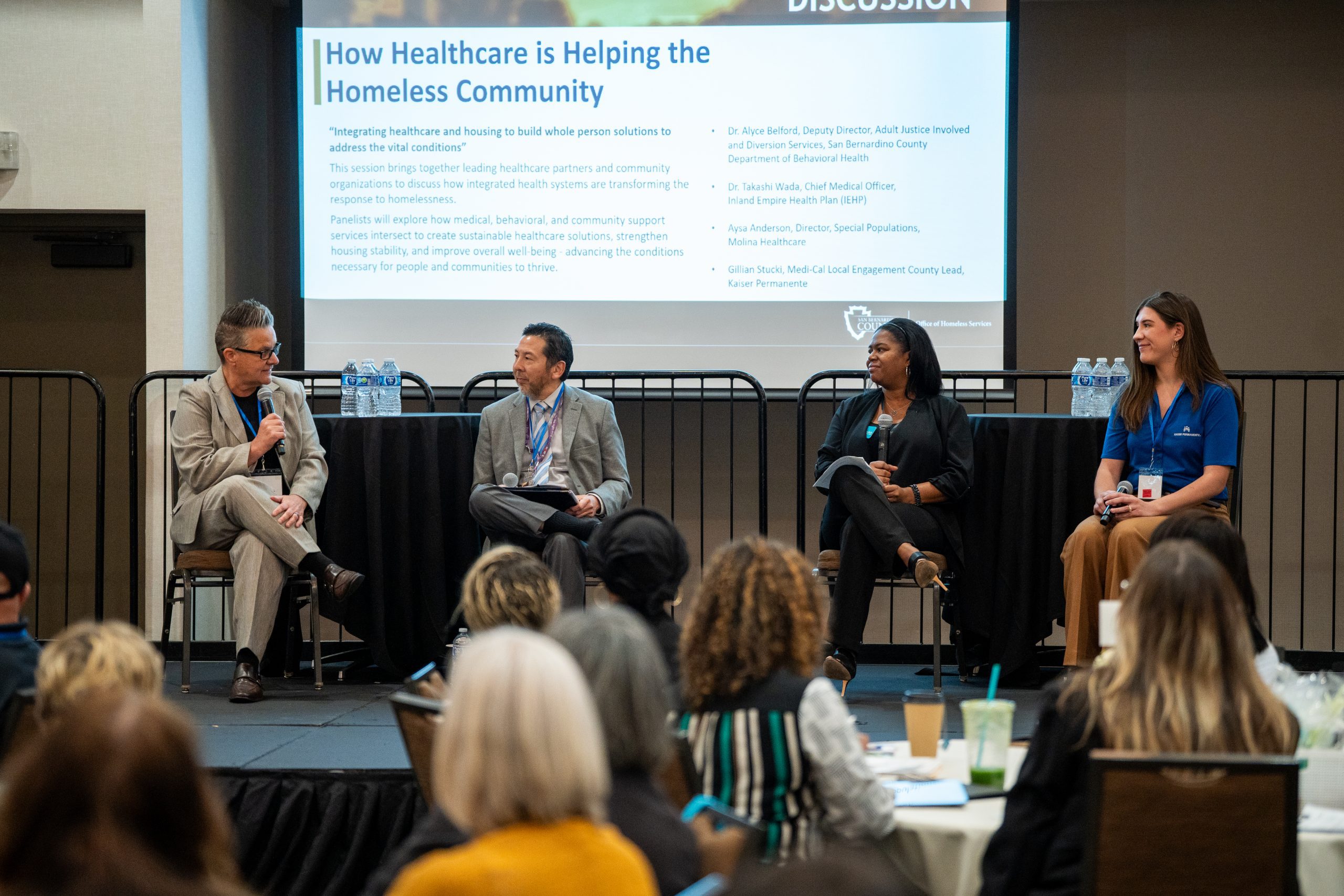
Following the keynote address, a healthcare panel titled “How Healthcare is Helping the Homeless Community” examined how healthcare providers are shifting from treating symptoms to addressing the root causes of illness, including housing instability, food insecurity and lack of transportation.
Panelists described programs under California Advancing and Innovating Medi-Cal (CalAIM) and managed care that fund housing navigation, case management, recuperative care and street medicine, which represents a cultural shift in how healthcare providers are actively partnering with community organizations.
Dr. Takashi Wada, chief medical officer at Inland Empire Health Plan, emphasized the importance of addressing the underlying factors affecting health. “You can’t keep someone healthy if you don’t address some of these social drivers,” he said.
He explained that some homeless patients struggle to manage chronic conditions such as diabetes. “Some of these patients can’t get access to healthy foods, they don’t even have a refrigerator to store their insulin, and they don’t have transportation to get to those special appointments. Without addressing everything comprehensively, we’re not going to get these individuals healthy,” said Wada.
The panel concluded with an update on housing projects funded through the county departments of Community Development and Housing Department and Behavioral Health with an emphasis on the need for additional funding to expand the number of permanent supportive housing units.
“While we have multiple housing projects underway across county departments, most funding has gone toward short-term interventions rather than building permanent supportive housing,” said Deputy Director Dr. Alyce Belford, San Bernardino County Department of Behavioral Health. “We need more permanent housing, and additional funding is required to expand it.”
The next panel titled “Funding the Cure” brought together leaders from healthcare, philanthropy and government to explore strategies for sustaining programs and addressing social and economic factors that influence an individual’s health. Panelists stressed that no single organization can solve homelessness alone and called for flexible funding, regional advocacy and coordinated efforts that balance immediate needs with long-term prevention.
“We have to advocate at the state and federal levels and make it clear that our region is performing,” said Office of Homeless Services Chief Marcus Dillard. “By using data and working together, we can ensure decision-makers understand the gaps and direct funding where it will have the most impact.”
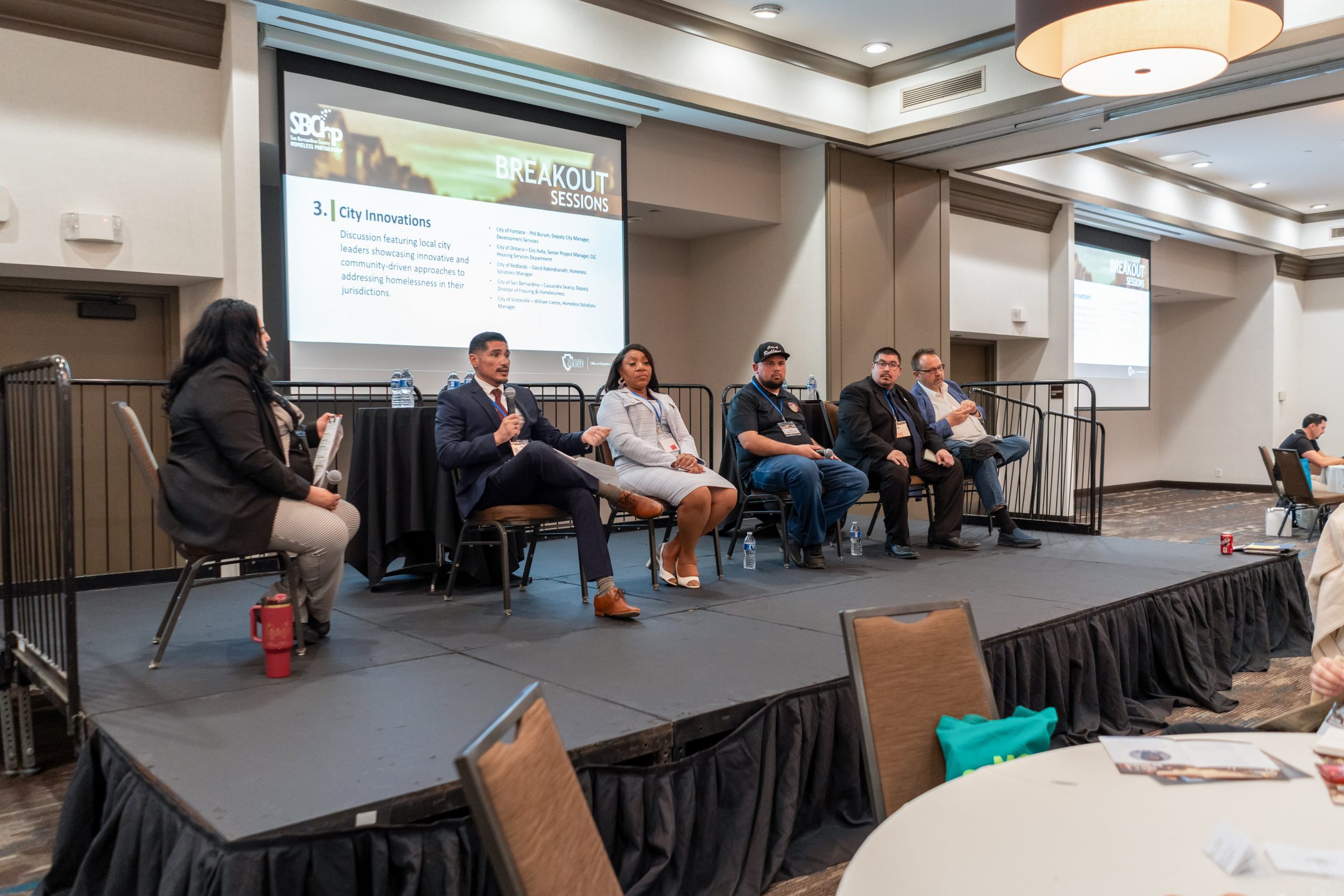
The summit concluded with three breakout sessions focused on housing solutions for aging adults, addressing youth homelessness and the “City Innovations” panel featuring local leaders showcasing innovative and community-driven approaches to addressing homelessness in their jurisdictions.
During “City Innovations” city leaders from Fontana, Ontario, Redlands, San Bernardino and Victorville emphasized outreach, building trust and housing development as central to local efforts. They explained that individuals experiencing homelessness are often hesitant to accept services from unfamiliar providers, which means relationship building is essential. Many cities have developed specialized outreach teams that combine social workers, law enforcement and medical staff to connect people with services in a more compassionate way.
“One of the strategies that we’ve seen work is having a city-led outreach team,” said William Lamas, homeless solutions manager for the city of Victorville. “We have a homeless engagement team that’s comprised of five code enforcement officers, and their role is to go out and educate individuals about the services we offer. We also have Symba outreach and Symba Health providing the street medicine component. What we often see is that while outreach teams can make initial contact, individuals may be more willing to open up to nonprofit staff who are trained in trauma-informed care and client-centered approaches, and that’s what’s getting those individuals to accept shelter and housing.”
Panelists also pointed to the expansion of centralized service facilities, such as wellness and navigation centers, as a significant step forward. These centers offer a range of resources in one location, including shelter, healthcare, mental health services and case management. City representatives reported that these models have helped move more individuals into stable housing by streamlining access to support.
Across sessions, it was clear that addressing homelessness requires collaboration, innovation and investment. To learn more about the San Bernardino County Homeless Partnership, please visit https://sbchp.sbcounty.gov/.
Additional County Update News – March 26, 2026
- Board Actions, March 24
- First 5 San Bernardino bids a heartfelt farewell to Karen Scott
- County Purchasing Director Pete Mendoza retires after 35 years of service
- Homeless Summit highlights creative approaches to housing and care
- County leaders outline long-term strategy in 2026–27 budget overview
- County launches next round of AB 98 community presentations
- County Update reaches 225K subscribers
- Women’s History Month staff spotlight: Jo Cruz
- Mobile Defense Program brings free legal help and second chances to Lucerne Valley
- SBC Through Your Eyes: San Gorgonio Wilderness
- Submit your photos and videos of the county’s destinations, nature and cityscapes
- San Bernardino County history: Bank of San Bernardino
- Things to do in San Bernardino County
- Pet of the Week: Yugi