
San Bernardino County has a rich military history with many bases calling this region home. In 1941, it was determined that the desert’s dry air and gusty winds provided ideal conditions for an Army Air Corps glider training airstrip.
The facility, known as the Twentynine Palms Air Academy at Condor Field, trained 1,600 pilots during its 15 months of operation from 1942 to 1943. In 1944, the Navy took control of the site and used it for flight training, bombing and strafing until the end of World War II when the facility was decommissioned.
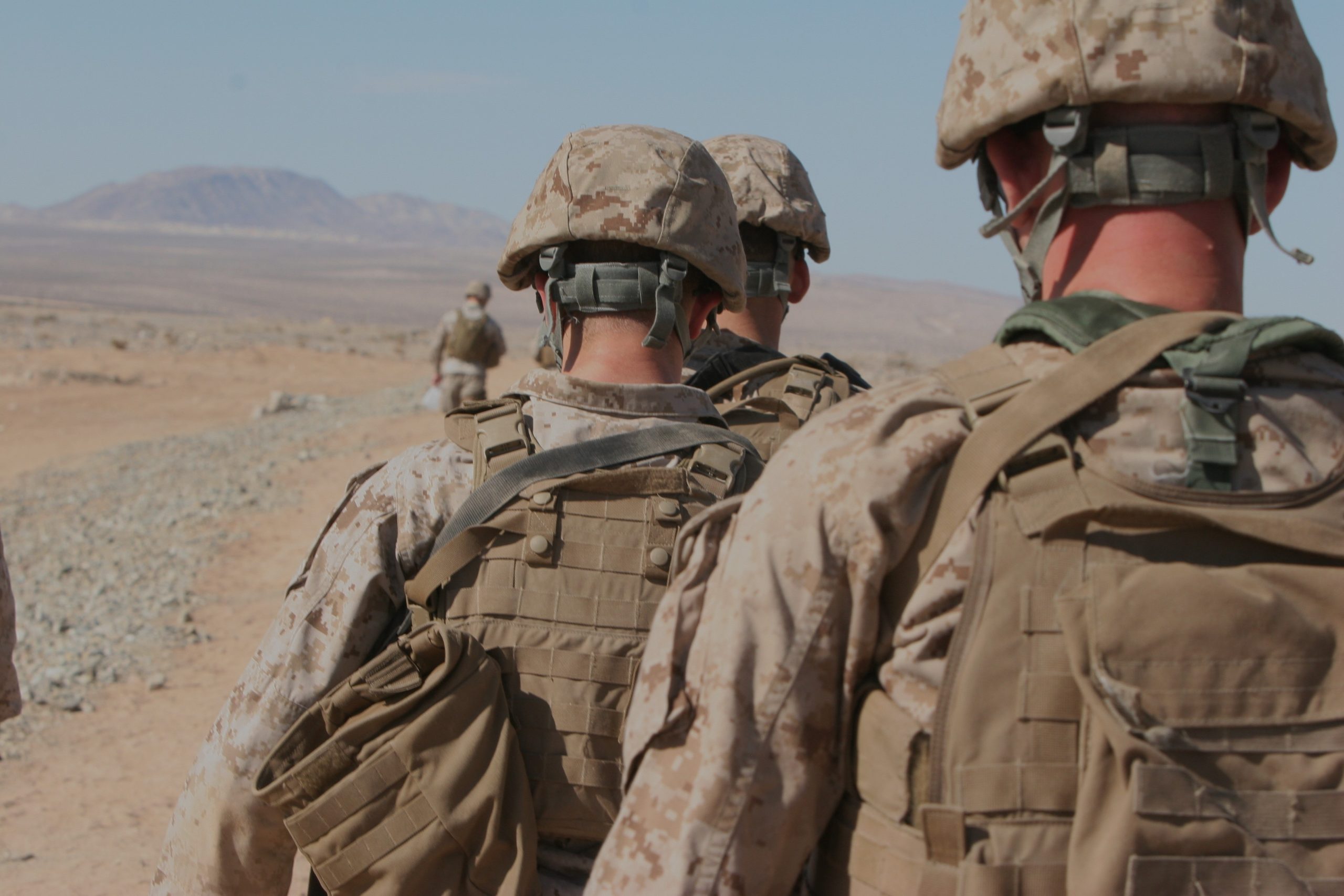
In 1952, Camp Pendleton headquarters designated 935 square miles of desert as the Marine Corps Training Center, Twentynine Palms. At nearly 600,000 acres, the training base served as an auxiliary of Camp Pendleton and became the largest Marine Corps base in history.
The site turned into a full-service air station with runways, hangars and maintenance facilities. It provided the necessary space for heavier artillery units and guided missile battalions to train. The center’s original detachment consisted of 120 Marines from Camp Pendleton. They affectionately nicknamed the area “29 Stumps” and began restoring the abandoned buildings.
Company D of the 7th Engineer Battalion constructed everything from weapons ranges and buildings to soccer fields, a bowling alley and a nine-hole golf course. By 1957, the base grew in status and was designated as the Marine Corps Base Twentynine Palms. During the Cold War, the base also served as a training site for personnel working with missile technology.
On Feb. 16, 1979, the site was officially renamed the Marine Corps Air Ground Combat Center. During this period, plans for Combined Arms Exercises were created, which allowed for brigade and battalion sized live-fire and maneuver training. On Oct. 1, 2000, after 21 years as Marine Corps Air Ground Combat Center, the command was redesignated as Marine Air Ground Task Force Training Command, Twentynine Palms.
Today, the site continues to serve the Marine Corps as a training ground for troops preparing for worldwide deployment.