
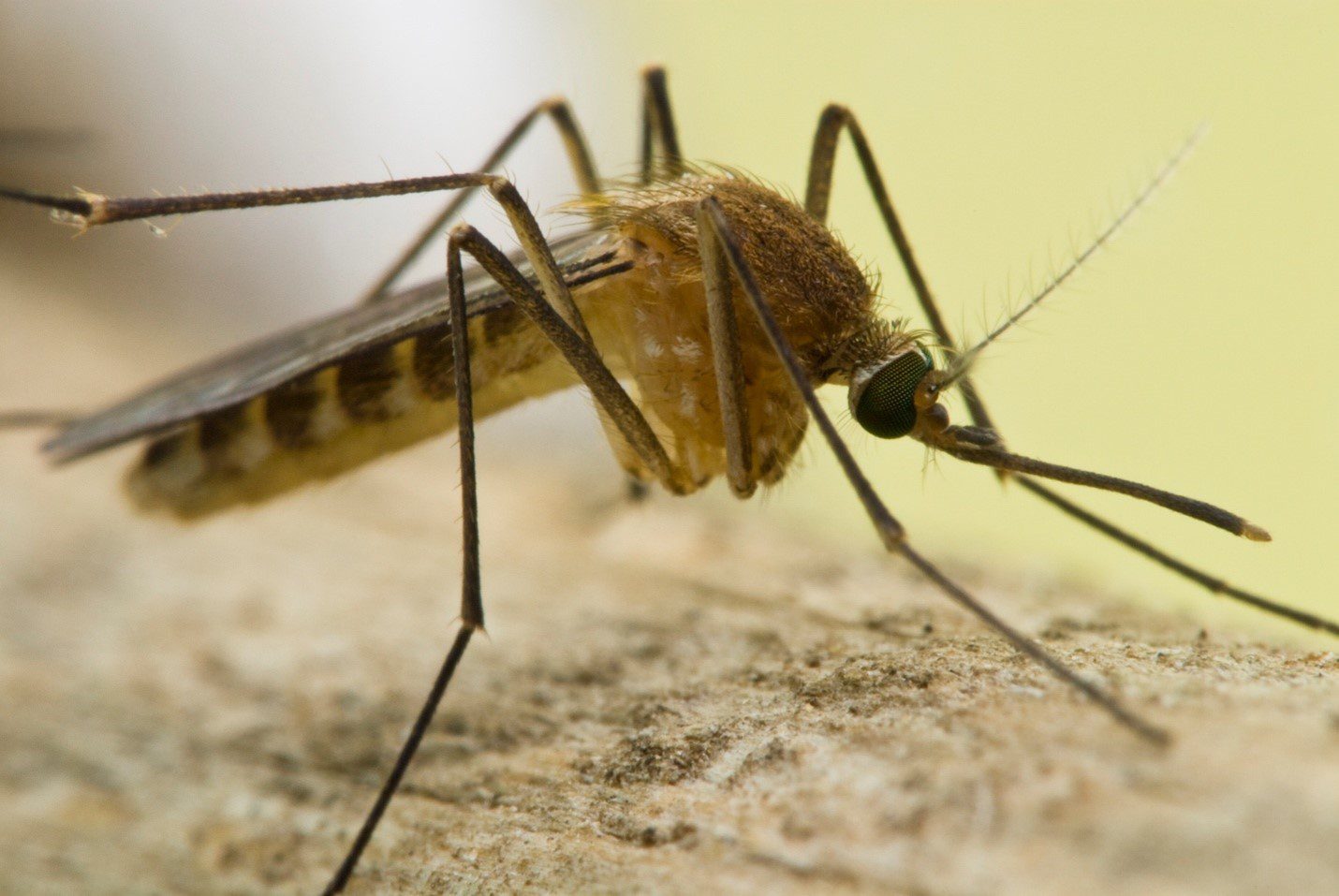
San Bernardino County Department of Public Health encourages residents to take steps to protect themselves against mosquito bites. As of Aug. 6, 2026, there have been several positive West Nile Virus (WNV) mosquito pools and numerous WNV dead birds detected throughout San Bernardino County this season, which represents a significant increase compared to August 2025 and August 2024.
The Department of Public Health is continuing to monitor for human cases. It is important to remain vigilant in preventing mosquito bites and practicing mosquito control in your community and at home, especially with recent rising temperatures and changes in rainfall and bird populations.
Protect yourself from mosquito bites
There are no vaccines or medications to prevent WNV infection in people, so the best way to reduce your risk is to avoid mosquito bites. Residents can help protect themselves, their families and their communities by:
- Removing standing water around your property where mosquitoes can lay eggs. Common breeding areas include birdbaths, green swimming pools, ponds, old tires, buckets, flowerpots, clogged gutters and puddles caused by leaky sprinklers.
- Wearing protective clothing such as socks, shoes, loose-fitting long pants and long-sleeved shirts when outdoors. Light-colored clothing is recommended.
- Using insect repellent containing DEET, picaridin, IR3535 or oil of lemon eucalyptus.
- Keeping mosquitoes outside by making sure doors and windows have tight-fitting screens that are free of tears and holes.
About West Nile Virus
WNV spreads through the bite of an infected mosquito and can cause illness in both people and animals, sometimes leading to death. In California, Culex mosquitoes carry WNV and become infected when they bite or feed on infected birds.
Know the symptoms
Symptoms of WNV infection typically appear three to five days after being bitten by an infected mosquito and usually resolve on their own after a couple of days, although fatigue and weakness can last weeks to months after infection. Approximately four out of five people who are infected with WNV do not experience symptoms and may not know that they have or had the virus. For those who do, symptoms often include:
- Fever
- Headache
- Body aches
- Nausea
- Vomiting
- Skin rash
Though most people experience few or no symptoms, individuals over 55 years of age and people with certain medical conditions such as cancer, diabetes, hypertension and kidney disease may develop severe illness in which the virus affects the brain or nervous system, leading to encephalitis or meningitis (inflammation of the brain and surrounding tissue). Severe symptoms can include:
- High fever
- Headache
- Neck stiffness
- Vision loss
- Numbness
- Confusion
- Muscle weakness
- Paralysis
- Coma
*If you experience any of these symptoms, seek medical attention immediately.
For more information on WNV, visit the California Department of Public Health West Nile Virus Page.
To request more information or receive mosquito and vector control services, contact San Bernardino County Department of Public Health Environmental Health Services at 800-442-2283 or visit the Mosquito and Vector Control website. Dead birds can be reported to 877-968-2473 or at westnile.ca.gov/report.
Together, we can help reduce the risk of WNV for you, your loved ones and the San Bernardino County community while supporting a healthier environment.
Additional County Update News – August 27, 2026
- San Bernardino County Fire strengthens communities through wildfire fuels reduction
- Operation Shelter Me connects with more than 90 people experiencing homelessness
- San Bernardino County Probation connects with communities at National Night Out 2026
- Behind the Ready: Service and coordination when it matters most
- Little Third Street Project enhances safety, accessibility and mobility
- Watch the Emmy-nominated documentary The Pink Cloud, a story of hope, healing and family
- DBH clinics offer free Narcan for International Overdose Awareness Day
- From TAY participant to published author: A story of growth and hope
- Nonprofits can apply for Inland Empire Loan Fund beginning Sept. 1
- County Library takes families on a wild adventure at Galaxy Nights Wildlife After Dark
- San Bernardino County to celebrate Black Breastfeeding Week with interactive community event
- Healthy habits start here: How PSD builds bright smiles every day
- SBC Through Your Eyes: Lava Tube
- Submit your photos and videos of the county’s destinations, nature and cityscapes
- San Bernardino County history: Twentynine Palms
- Things to do in San Bernardino County
- Pet of the Week: Veronica