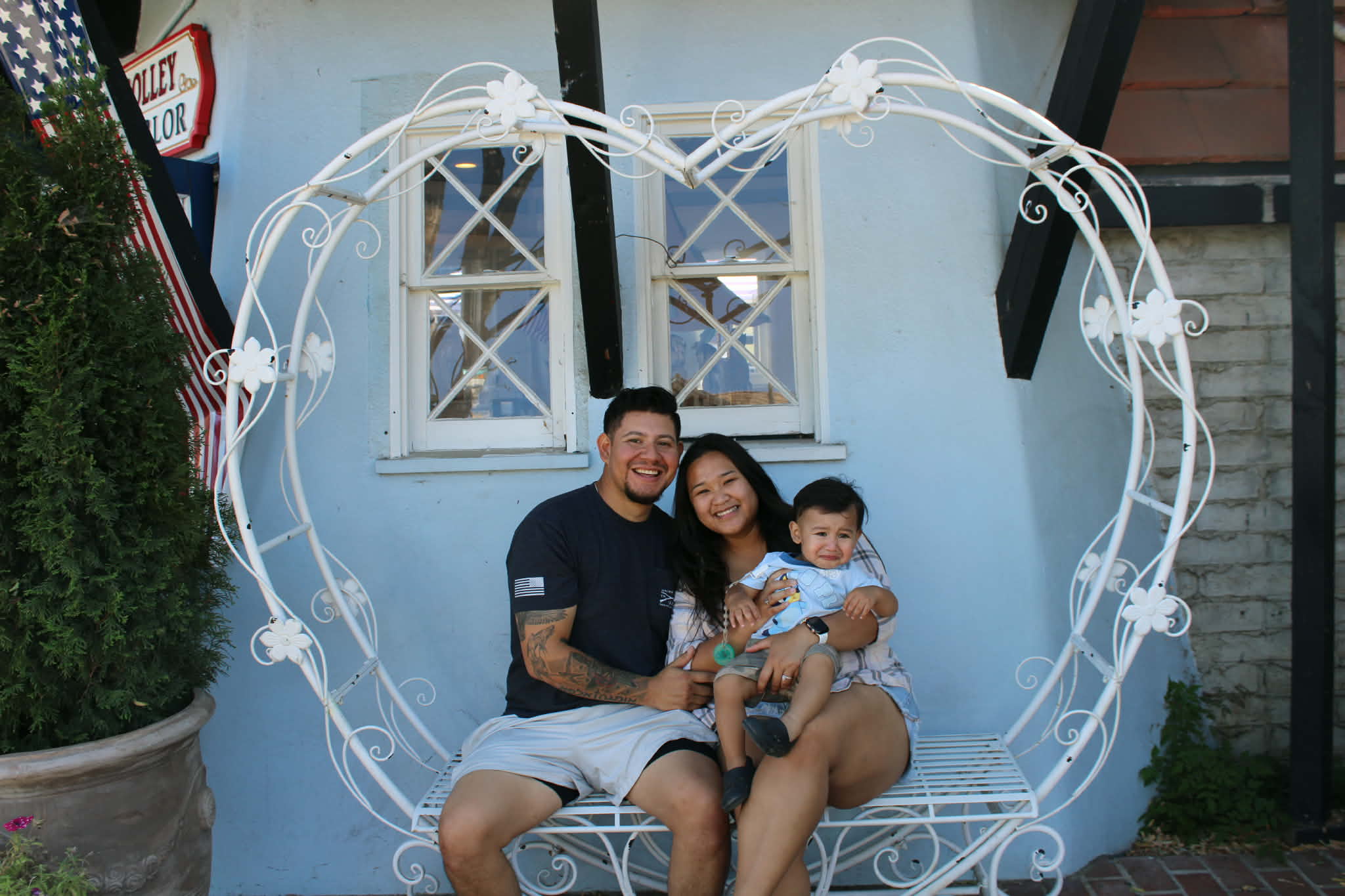
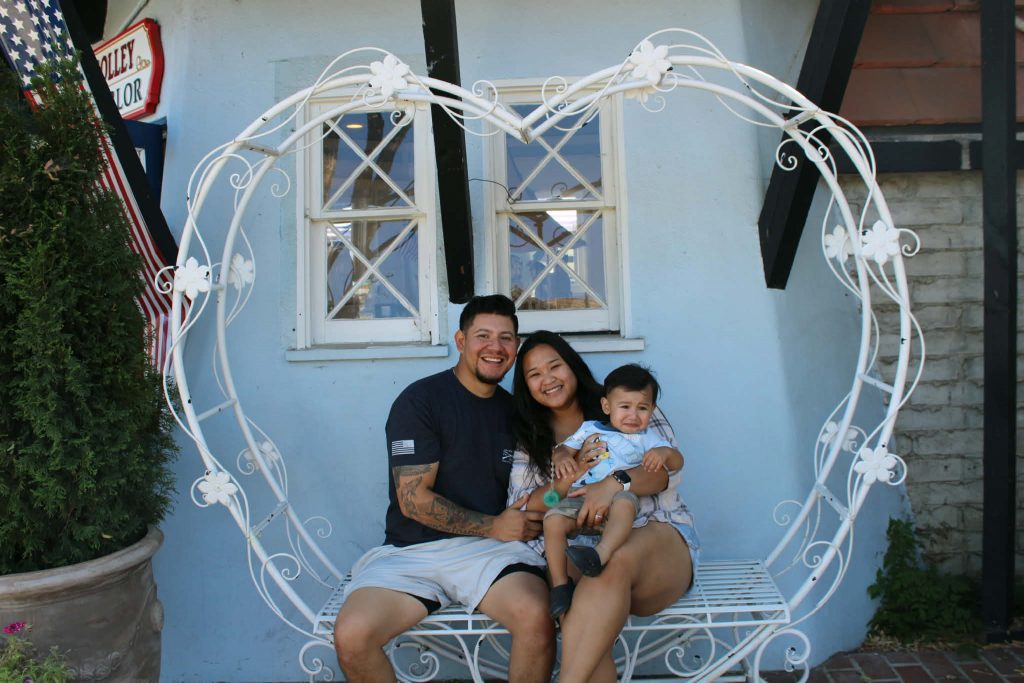
When Robert left the military in 2022 after six years of active-duty service, he faced a challenge familiar to many veterans: figuring out what came next.
Robert returned to school, studying electrical technology at San Joaquin Valley College, while building a new life. After completing his education, he began applying for jobs but quickly encountered a highly competitive market.
“I wasn’t sure what I was going to do,” he said. “I would go to interviews where there might be 70 applicants for three positions. It was frustrating.”
His transition from military service also came during a difficult period personally as he struggled with addiction. Robert sought support through the U.S. Department of Veterans Affairs and committed himself to rebuilding his life. Today, he has been sober for more than a year and credits his family, faith and the people who supported him with helping him find a renewed sense of direction.
A turning point came when veterans service providers connected Robert with the San Bernardino County Workforce Development Department and the Veterans Electrical Entry Program (VEEP), an electrical pre-apprenticeship program combining online instruction with hands-on training.
Through VEEP, Robert trained at Barstow Community College and prepared for entry into the International Brotherhood of Electrical Workers (IBEW) Local 477 pre-apprenticeship program. However, entering the program was only part of the challenge. Robert still needed help navigating an unfamiliar system — and obtaining the tools required to begin working. That is where Workforce Development made a lasting difference.
Robert credits the Workforce Development team with providing reassurance and direction when he needed it most. Workforce Development specialists helped connect him with veterans and union resources and eventually helped him obtain many of the tools he needed for his new career.
“The reassurance was everything because I came to them not knowing what to do or where to start,” Robert said. “They gave me not only the tools, but the peace of mind knowing they were there to help. It was like they were saying, ‘Hey, we’ve got you.’ That was huge.”
The assistance also relieved a significant financial burden for Robert and his family. Starting in the electrical trade required an extensive list of tools that he estimated could have cost approximately $2,000. Workforce Innovation and Opportunity Act (WIOA)-supported resources helped ensure he could arrive prepared and ready to work.
After completing VEEP, he was sworn into IBEW Local 477 and began his apprenticeship. His first assignment took him to Blythe, where he worked on a solar project. He later worked in Hesperia before securing a position closer to home in Fontana, where he has expanded his experience into commercial electrical work.
Today, as a first-year inside wireman apprentice, Robert is gaining the experience needed to progress toward becoming a journeyman electrician. He has also joined Local 477’s newly established veterans chapter.
For Robert, however, Workforce Development’s impact extends beyond training and financial assistance. What stands out most is the continued connection.
“It means so much that you follow up, check in on us and make sure we’re okay,” he said. “That maintenance part of what you do means so much.”
He encourages other job seekers, especially veterans navigating the transition to civilian life, to take advantage of the resources available to them.
“Use your resources. Don’t be afraid to say yes, and just lean in,” Robert said.
Looking ahead, he is focused on completing his apprenticeship, becoming a journeyman electrician and providing a strong foundation for his family.
San Bernardino County Board of Supervisors Chairman and Third District Supervisor Dawn Rowe said Roberts’ experience demonstrates why workforce services must address the whole person, particularly during major life transitions.
“Veterans bring tremendous experience, discipline and commitment to our workforce, but transitioning into a civilian career can still present unexpected challenges,” Rowe said. “Robert’s story shows what can happen when we connect people not only with opportunities, but with the guidance, resources and encouragement they need to move forward.”
San Bernardino County Workforce Development Board Chair Shannon Shannon added that Roberts’ journey reflects the broader mission of workforce development.
“Our work is about much more than helping someone find their next job,” Shannon said. “It is about meeting people where they are, helping them identify a pathway and staying alongside them as they build a more secure future. Robert’s determination, combined with the support of our workforce team and community partners, is a powerful example of that mission in action.”
Through programs like (WIOA). The San Bernardino County Workforce Development Board continues to deliver career services and customized support that equip residents with the tools they need to thrive.
To connect with workforce resources, please visit workforce.sbcounty.gov, call 800-451-5627, or follow us on social media at @SBCWorkforce.
Additional County Update News – September 17, 2026
- First human case of West Nile virus reported in San Bernardino
- Prepare Where You Live: Deserts
- Prepared today, ready tomorrow: Aging and Adult Services-Public Guardian strengthens emergency readiness
- County partners with housing authority to expand support for young adults and families
- Recovery Happens in San Bernardino County
- Sound of Recovery concert to bring stories of hope and healing to the stage
- Children’s Network celebrates 40th anniversary conference
- County continues AB 98 truck route outreach, invites public input
- 2026 State of the County to spotlight businesses and celebrate 100th anniversary of Route 66
- Help shape the future of the Big Bear Alpine Zoo
- SBC Through Your Eyes: Oak Glen Preserve
- Submit your photos and videos of the county’s destinations, nature and cityscapes
- San Bernardino County history: Baker
- Things to do in San Bernardino County
- Pet of the Week: Joker