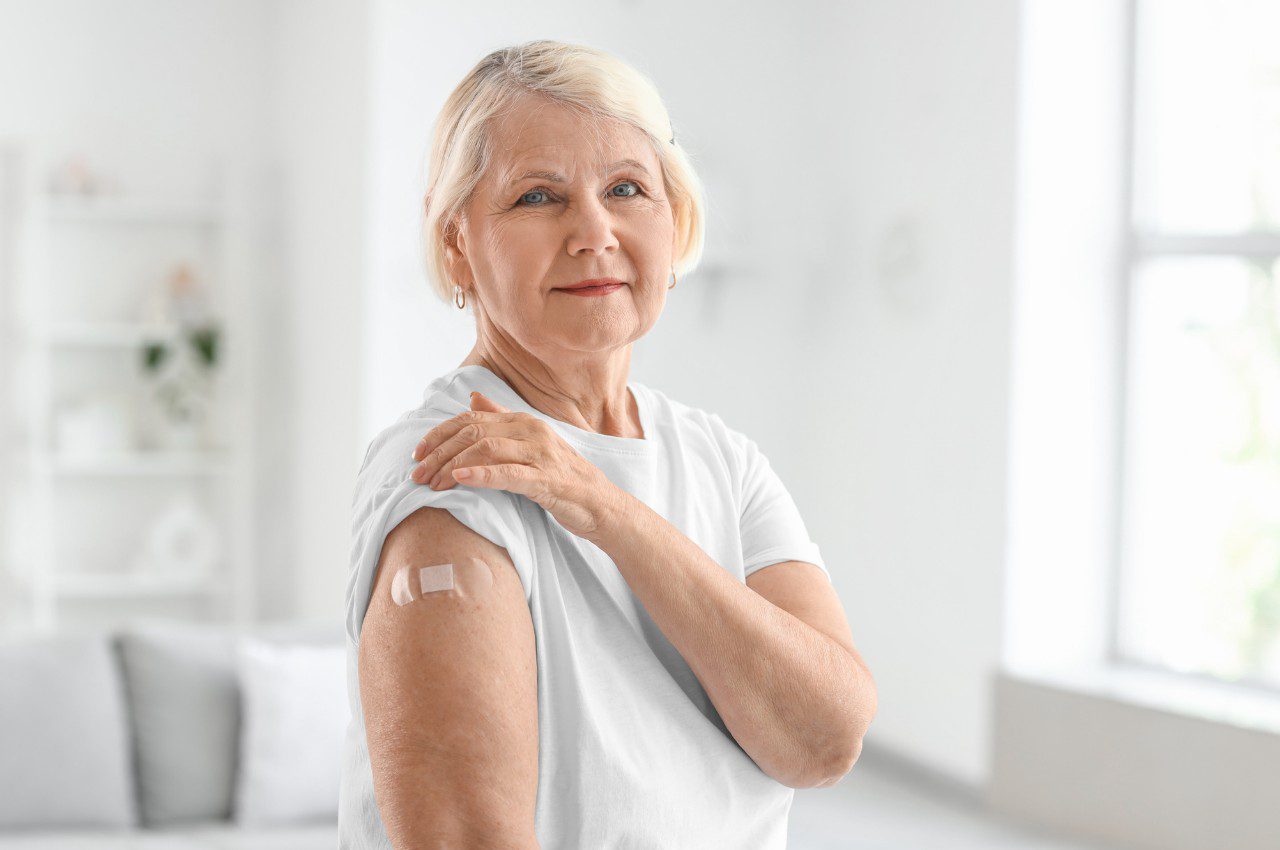
San Bernardino County Department of Public Health urges residents to get vaccinated to protect themselves against respiratory viruses, including seasonal influenza (flu), COVID-19 and respiratory syncytial virus (RSV).
Respiratory infections can cause serious illness, hospitalizations and in some cases, death. To protect the community, Public Health is committed to making vaccines accessible throughout the county. Residents can get vaccinated at health centers or use MyTurn.cdph.ca.gov to find additional vaccine clinics and book an appointment.
The respiratory virus season begins on Nov. 1 and continues through April 30. Residents are strongly encouraged to get vaccinated before the start of the season, as many communities are already seeing increased influenza activity.
Vaccination is the most effective way to protect yourself and your loved ones from these viruses and their potentially serious outcomes. This is especially important for those at higher risk of developing severe illnesses, such as older adults and individuals with underlying medical conditions. Together, we can reduce the impact of respiratory viruses in our communities.
“Simple steps, such as getting vaccinated and testing when symptoms appear, keep our community healthy,” said Dr. Sharon Wang, San Bernardino County health officer. “These measures protect you and the people around you, especially those at higher risk of severe infection.”
The California Department of Public Health (CDPH) has released vaccine recommendations for the 2026-27 respiratory virus season. Under California law (Assembly Bill 144), health insurance plans in California, including Medi-Cal managed care plans and private insurance plans, are required to cover immunizations recommended by CDPH.
Additionally, California pharmacists may administer immunizations recommended by CDPH to patients 3 years and older without a prescription from a physician. If you have questions about coverage, check with your health plan or health insurer.
2026-27 CDPH vaccination recommendations:
Children:
- All children 6 months and older should receive the flu vaccine.
- Children ages 6-23 months are eligible for the COVID-19 vaccine. Those ages 2-18 years old with risk factors or who have never been vaccinated should also be vaccinated.
- Children younger than 8 months are recommended to receive the RSV vaccine, and those ages 8-9 months with certain health conditions may also qualify.
- Vaccination is also encouraged for any child who is in close contact with individuals at higher risk for severe illness or whose family desires additional protection.
Pregnant individuals:
- Those who are planning a pregnancy, currently pregnant, or postpartum are recommended to receive both the COVID-19 and flu vaccines.
- Pregnant individuals between 32 and 36 weeks of gestation are also eligible for the RSV vaccine, which helps protect newborns after birth.
Adults:
- Everyone 6 months and older should get a flu vaccine.
- Adults 65 years and older and younger adults with underlying health conditions or risk factors are encouraged to stay current with COVID-19 vaccines.
- RSV vaccination is recommended for adults 75 years and older and for those 50–74 years old with certain health conditions.
- Anyone who lives with or cares for someone at higher risk and for those who desire additional protection.
Health care workers:
- Immunizations for COVID-19 and flu are recommended for all health care workers and other people who live with or care for people at higher risk of serious illness from respiratory viruses.
To view the full vaccination schedule, visit cdph.ca.gov/vaccineschedule.
Understanding COVID-19, flu and RSV
Recognizing symptoms
Signs and symptoms of COVID-19, flu and RSV can be similar to the common cold and may include:
- Fever, cough, shortness of breath, fatigue, body aches, sore throat, headache and runny nose.
- COVID-19 symptoms may sometimes include loss of taste or smell.
- Flu symptoms may sometimes include vomiting and diarrhea, particularly in children.
- RSV can cause wheezing and, in severe cases, lead to bronchiolitis or pneumonia, particularly in infants, young children and older adults.
How to protect yourself
Public Health recommends the following steps to help protect you and your loved ones:
- Stay up to date on vaccines as recommended by CDPH.
- Get tested for COVID‑19 and flu at the first sign of symptoms so you can begin treatment immediately, if needed.
- The following precautions can also reduce the spread of disease:
- Wear a mask in crowded spaces.
- Increase indoor ventilation by opening windows and doors.
- Stay away from others if you are sick.
- Wash your hands often.
- Cover your cough or sneeze.
When to seek medical attention
Seek care immediately if you or a loved one experiences:
- Difficulty breathing, shortness of breath, chest pain, confusion or bluish lips or face.
- A high fever lasting more than three days, or if you are experiencing severe weakness.
- Flu-like symptoms after contact with birds, cattle or other farm animals, or after visiting poultry or livestock farms.
- Flu-like symptoms if you are at higher risk for severe illness.
Who is at high risk?
Antiviral medications may help reduce the severity of some respiratory infections when taken early. Certain groups are at higher risk for severe illness from COVID-19, flu and RSV, including:
- Adults aged 65 and older
- Children under 5, especially those under 2 years old
- Pregnant and recently pregnant individuals
- Individuals with chronic health conditions such as heart, lung, kidney, liver or neurologic disease, diabetes, severe obesity or asthma
- Individuals with weakened immune systems
- Residents of nursing homes or other long-term care facilities
Influenza-like Illness Surveillance Dashboard
The county provides the latest updates on influenza‑like illnesses through an interactive dashboard that helps the public monitor local trends. This visual tool combines data from multiple sources, including cases, hospitalizations, emergency room visits and deaths related to influenza-like illness.
Visit Public Health’s website for local vaccination resources and additional information to help you stay healthy throughout the season.w/.
Additional County Update News – October 8, 2026
- Shift happens: Get ready for the Great ShakeOut on Oct. 15
- Explore San Bernardino County Services: How your mail ballot is processed and counted
- Longtime county leaders step into new roles
- Board Actions, Oct. 6
- Operation Smash and Grab leads to 15 arrests
- County Fire completes North San Bernardino Fuels Reduction Project
- Charge into fire safety: Simple steps can help prevent fires
- Public Health launches Epic and MyChart to enhance patient care
- County and partners celebrate completion of new roundabout in Big Bear
- One month, thousands reached: September’s Behavioral Health impact
- Help shape a new Behavioral Health resource app for teens
- SBC Through Your Eyes: Apple Valley Airshow
- Submit your photos and videos of the county’s destinations, nature and cityscapes
- San Bernardino County history: Mount Baldy
- Things to do in San Bernardino County
- Pet of the Week: Foo